Quality products that deliver the benefits of wool to buildings and landscapes.
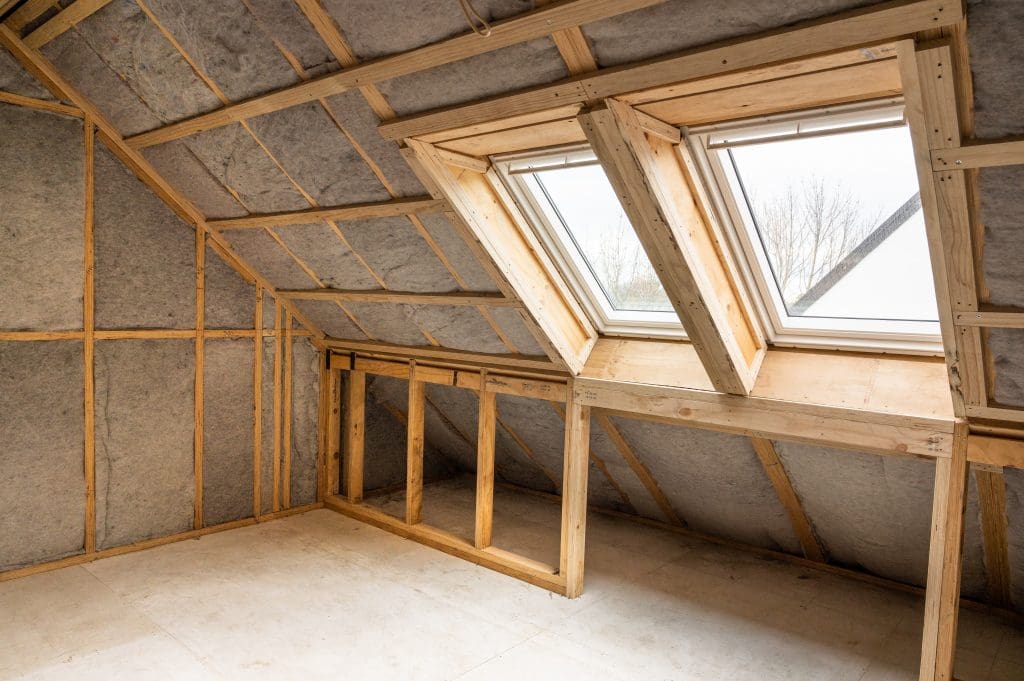
See Our Insulation Range
Terral Lana Wool Insulation offers superior insulative properties, moisture control and energy efficiency for a lifetime. Made with reclaimed manufacturing-waste wool and local New Zealand wool. Whether ceiling insulation, wall insulation or floor insulation, we've got it covered.
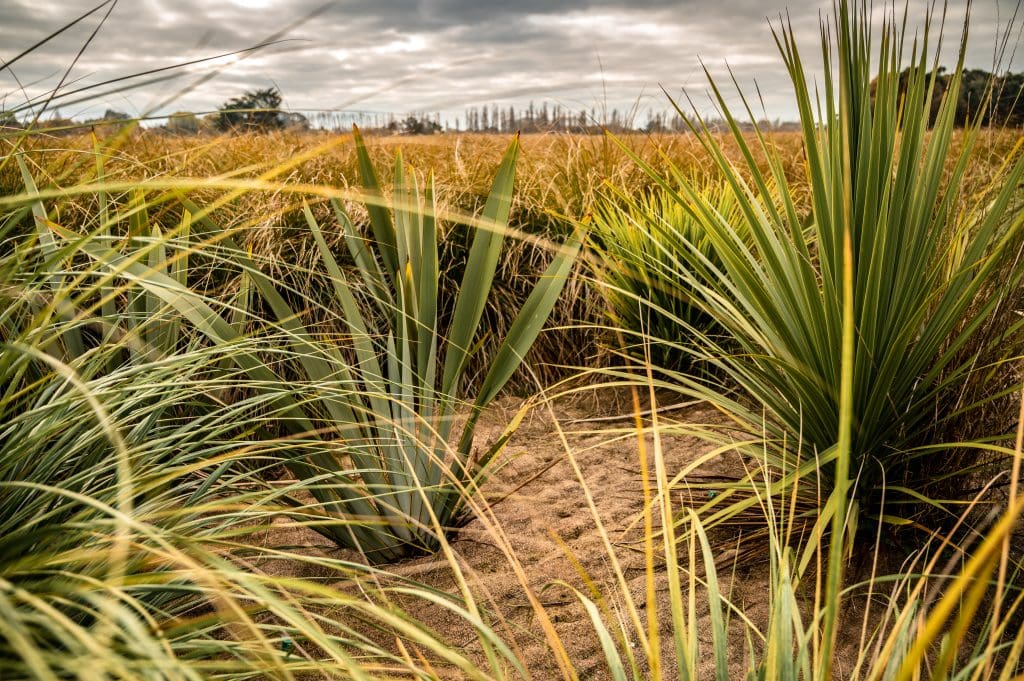
Discover Landscaping
100% natural and biodegradable, DAGMAT Wool Weedmat is a revolutionary landscaping product that supports plant establishment while suppressing weeds and controlling erosion. It's the ultimate natural weed matting
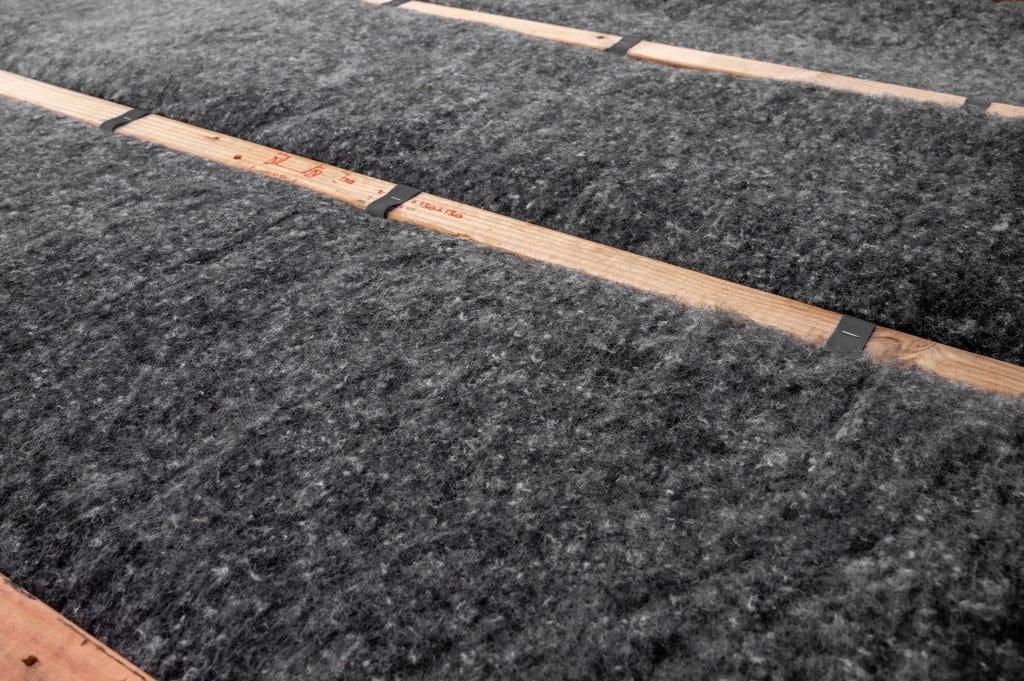
Choose Acoustic Insulation
Our range of CHATTERBLOCK® wool acoustic insulation delivers specialised sound control, where it's needed most. For quieter, warmer homes and buildings.
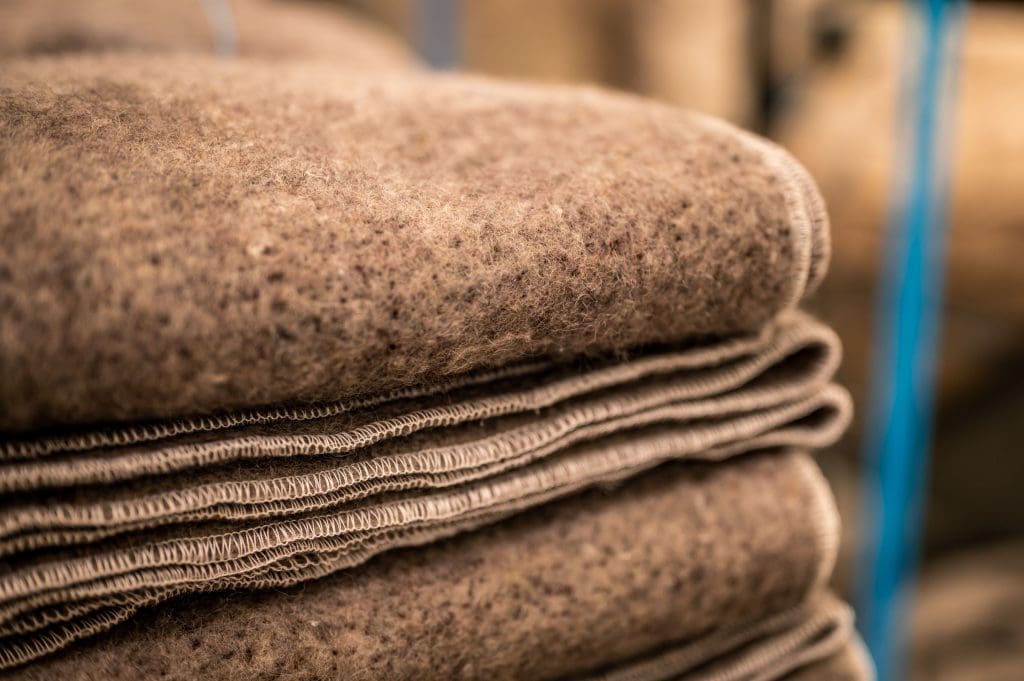
View Transport Blankets
TUF TRUCK transport blankets are soft to the touch yet extremely hard-wearing. Made using recycled NZ wool.
Quick find guides

Product Data Sheets
PDF data table and product sheets of all our insulation products

Installation Guides
PDF installation guide for all our insulation products

Benefits of Terra Lana
PDF of the benefits of Terra Lana wool insulation
FAQ
How is wool insulation better than synthetic insulation?
What's the advantage of Terra Lana over other wool insulation?
- All Terra Lana's core products are BRANZ appraised. BRANZ is a leading NZ authority on building product quality. Not all insulation brands have BRANZ appraisals (or an equivalent certification).
- Terra Lana uses melt bond polyester as the bonding agent. This was the preferred method of bonding developed by the Wool Research Organisation of New Zealand in the 1990s. Other brands may use industrial resin, the other method WRONZ developed, but discarded because it is less environmentally friendly, potentially breaking down over time and with inferior structural integrity.
- Terra Lana has at least twice the manufacturing capacity of any other wool insulation manufacturer in New Zealand, meaning you are most likely to be able to get product when you want it.
- Terra Lana has superior pricing due to economies of scale and the ownership of our own blending and manufacturing facilities.
How is wool insulation better than synthetic insulation?
Why is polyester used?
Polyester is used as a binder to ensure Terra Lana insulation is robust and durable. If installed correctly there will be no slumping or loss of structural integrity for the life of the building.
How is Terra Lana Underfloor insulation better?
- The large wool component makes it more environmentally friendly than other underfloor products.
- Terra Lana's underfloor bales are smaller than any of it's competitors. Small bales are easier to get down through man hole covers and move around underfloor. The insulation need not be unpacked so it's faster to get to the point of install and the product is protected right up to the time of installation. The stiffer polyester layer protects the integrity of the insulation if it is snagged on the ground or piles.
- Terra Lana's wool/ polyester laminate easily accommodates varying joist widths and does not require exact cutting for friction fit (eg Expol).
- Terra Lana's underfloor rolls are stapled to the joists meaning you will never have to worry about them coming loose and falling out.
- The denser layer of polyester minimizes sagging underneath the floor which can be a problem with single density polyester products.
What percentage is wool or polyester?
We use a blend of 60% wool and 40% polyester. If less polyester is used the product is not as structurally stable and requires stapling in.
Do gaps matter?
YES! Gaps between the timber and the insulation can make a big difference to the R value. BRANZ testing reveals R2.8 insulation with a gap of 16mm reduces to R1.4. That's half the nominal R value! Therefore it is very important to ensure the slabs fit snugly amongst the timber framing.
Why use Terra Lana in low pitch roofs?
Terra Lana's 2 x R1.9 double layer works better than single layer options in ceilings with a low roof angles because a 25mm gap is required between the roof and the insulation. The bottom layer can be pushed right out almost to the wall join with the second layer finishing further back. A single layer must finish before it touches the roof, leaving an uninsulated area around the outer ceiling. Terra Lana specialises in manufacturing double layer solutions.
Why are two layers better than one thick one?
If you have existing insulation that has slumped (sunk below the top level of your joists), you are best to top it up (between the joists) then lay a second layer perpendicular across the joists.This eliminates any gaps (preventing air movement and heat loss) and prevents thermal bridging (heat loss through the joists, which only have an R value of 0.8). Use Terra Lana's R3.8 double blanket product (2 x R1.9).
Is thicker better?
Generally speaking the thicker the insulation, the higher the R value. However the insulation's R value will decrease if it is squashed (decreases the amount of trapped air) so it is particularly important in wall cavities that the nominal thickness of the insulation does not exceed the height of the studs.
Can I just put one blanket over joists to prevent thermal bridging?
If the existing insulation is level with the top of the joists then one blanket over the top of the joists and existing insulation will be fine to prevent thermal bridging. However if the existing insulation has sunk below the top of the joists, a blanket straight over the top will create a tent effect at the joists. The resulting gap will allow air movement and therefore heat loss.
Can I use my own wool for Terra Lana to make insulation for our home?
Yes! We can use your own wool, providing it is strong wool (micron of 25 and greater). We require a minimum of 500m2 of insulation to ensure there’s no extra cost to you through our standard processes. You will be quoted our standard rates and we will purchase the wool from you at an agreed price. You will likely need to organise the processing of the wool yourself and arrange it to be delivered to our factory for manufacturing. These details can be discussed directly with our staff.
Does wool insulation sweat?
Terra Lana natural wool insulation does not "sweat". Wool can absorb moisture up to a quarter of its own weight as a vapor (not as a liquid), hold it within the fibres then release it as the relative humidity decreases. Synthetics and fibreglass do not have this ability and any entrapped moisture is likely to be present as a liquid or "sweat", which can lead to mould of mildews.
Does wool insulation inflate?
Terra Lana natural wool insulation does not "inflate" or "deflate". After removal from its bale the batting recovers to its nominal (manufactured) thickness. This is a natural process which may take up to 3 months. It can be sped up by giving it a shake hence our strong recommendation is that all rolls and slabs are shaken as they are installed.
Rolls or Slabs?
Terra Lana's rolls can generally be installed faster than cuts (slabs). The wool roll can be easily ripped crossways by hand, negating the need for cutting. Gaps can be quickly filled by ripping sections from the end of the roll.
Slabs are more efficient if you know the widths (and lengths to an extent) you will be installing into. For orders large enough, Terra Lana can manufacture custom widths to fit your build. This can save a lot of time, cost and offcut leftovers.
What about rodents?
Wherever there in insulation in a home, rodents will be inclined to try and use it for nesting. There is no such thing as true rodent proof insulation.
The only real guard against rodents in your insulation is to leave them no access to insulated spaces, or to use rodent control measures, such as poison or traps.
Some insulations may claim to be rodent resistant. In most cases this is due to the use of bonding glues that prevent rats or mice from pulling the insulation apart to use as nesting. Bonding glues are prone to breaking down over time, so the resistance is not usually long lived.
How well does Terra Lana resist rodents?
Terra Lana wool blend insulation is bonded with melted polyester—so the bonding will last much better than glue or resin, which means the little critters won’t be able to pull it apart. That's as good as it gets.
That said, if rodents can get into your roof or wall space, there will be nothing to stop them making themselves at home nestled on, under, or between the luxurious, warm, soft comfort of woolly Terra Lana insulation! The good news is that, other than the smell and surface mess, they generally will not be able to dislodge or interfere with the performance of Terra Lana insulation.
We highly recommend making sure your insulated spaces are made rodent access proof. Your insulation is an investment worth protecting from smelly vermin, but it is also important to safeguard against them damaging wiring and being a messy health hazard in general.
Rodents can gain access through spaces as small as about 1cm—and if they can’t find one that big, they may chew it until it is! Best to consult with a local pest control company.
If you can’t be sure your home won’t be broken into by villainous vermin, it would be wise to set poison stations in key attic spaces, where you can check periodically for any signs of those unwelcome guests.
Moth proofing
Terra Lana uses recycled wool treated for insect resistance. Bioassay tests undertaken by AgResearch gave satisfactory insect resistance to common clothes moths.
The same treatment is used that all major wool carpet manufacturers use, so it is equally safe for use within your home.
Sales & Specifications
Contact our team to find out which Terra Lana product is right for your project.